 Blaine Robert Design
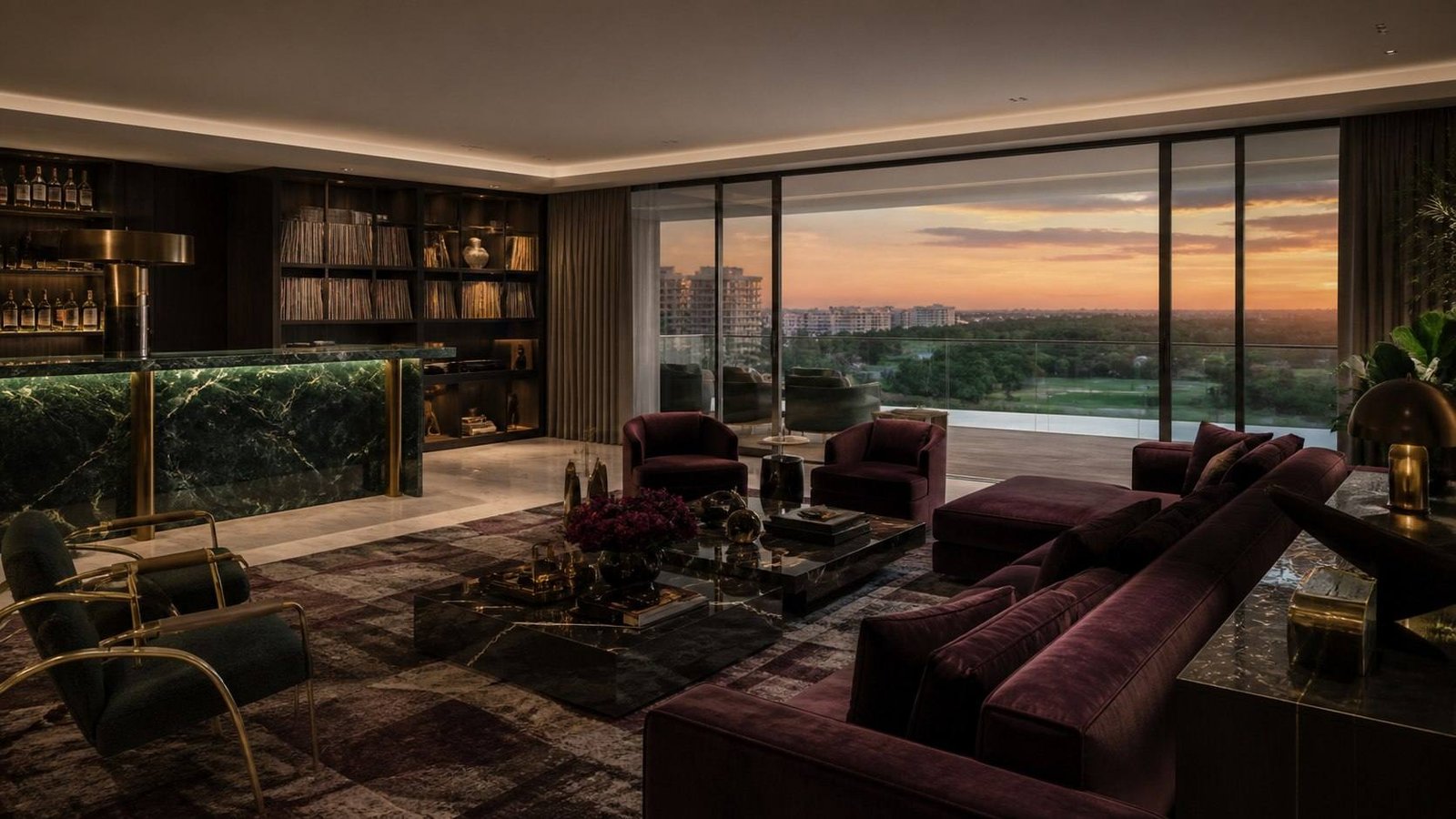
The five stages of an interior design project
Most first-time clients underestimate how much happens before construction begins, and overestimate how long construction itself should take. Understanding the real sequence helps set expectations correctly from the outset — and makes it much easier to spot a studio that is skipping steps to move faster than the work actually allows. For what the finished home should contain, room by room, our guide to home interior design in India sets out the brief before the process begins.
- Introduction. A private consultation covering the property, the brief, and how you actually intend to live in the home. This stage typically also covers indicative budget ranges, so both sides are aligned before design work begins.
- Vision. Creative direction, spatial concept, and scope agreed in writing. This is where mood, material direction and the overall design language are established and signed off before detailed design starts.
- Design. Room-by-room design: layout, materials, furniture, lighting and art direction, developed and refined with the client until every space is fully resolved on paper.
- Detail & documentation. Bespoke joinery, stone and FF&E specified to the precision needed for craftsmen and contractors to build from — the least visible stage of the project, and one of the most important.
- Realisation. Construction, installation and final styling, directed through to handover.
Realistic timelines for an Indian home
Timelines vary with scope, but as a general guide for a mid-to-large residence: design and documentation typically runs two to three months, and execution runs a further four to eight months depending on the proportion of bespoke joinery and imported materials involved. Apartments and smaller residences generally move faster; full villas, palace-scale residences and heavily bespoke commissions run longer. The single biggest predictor of a realistic timeline is not the size of the home but the proportion of custom-made elements in it — catalogue furniture arrives in weeks, bespoke joinery and imported stone can take months.
How long does luxury interior design take for a villa?
For a full villa, plan on three to five months to design and document the home, then six to twelve months to build, install and style it. Where a villa falls in that range depends less on its size than on how much of it is made to order.
- Introduction. A walk through the property and the brief: how the family will live across the main house, guest wing, staff quarters and terraces.
- Vision. The creative direction and spatial concept for every wing, agreed in writing before detailed design starts.
- Design. Each room resolved on paper, from the entrance hall to the principal suite and the outdoor rooms.
- Detail & documentation. Joinery, stone and FF&E drawn precisely enough to be made. With the two stages before it, this is the three-to-five-month design phase.
- Realisation. Site works, bespoke joinery, stone, installation and final styling: the six-to-twelve-month phase, and the one where imported stone and workshop-made pieces set the pace.
A villa that keeps its layout and uses more catalogue furniture sits at the shorter end; structural changes, a bare new-build shell, or a high share of bespoke joinery and imported stone push it to the longer end. Our guide to villa interior design in India shows how the studio runs these commissions, and every proposal comes with a stage-by-stage programme.
What drives most delays
Imported materials and off-site-manufactured bespoke joinery are, by a wide margin, the most common causes of schedule slippage — not construction itself. The second most common cause is scope creep: changes requested after a design has been approved, which ripple through procurement, fabrication and installation schedules already in motion. Both are manageable with realistic lead-time budgeting agreed at the outset, which is why a proper condition survey and clearly scoped design brief before signing matter more than the headline timeline quoted at a first meeting.
Ready to see what this looks like for your home?
Discuss Your ProjectHow payment is typically structured
Reputable studios in India work on a milestone-based payment schedule rather than a single large advance — typically an initial design fee, followed by payments tied to design approval, procurement, and execution stages as the project progresses. This structure protects both sides: the studio is paid for work already completed, and the client is never exposed to the full project cost before meaningful progress has been made and approved.
At Blaine Robert Design, this structure runs through the studio’s own interior design consultancy and interior architecture and build services under a single contract, so responsibility for the finished home never splits between two firms pointing at each other.
FAQ
What are the stages of an interior design project?
Typically five: an introductory consultation, concept and creative direction, detailed design and documentation, execution and construction, and finally FF&E and styling. Each stage should be approved in writing before the next begins.
How long does a full home interior design project take in India?
For a mid-to-large residence, expect roughly two to three months for design and documentation, followed by four to eight months for execution, depending on the proportion of bespoke joinery and imported materials. Apartments and smaller homes typically run shorter; full villas and bespoke commissions run longer.
What is the typical payment structure for an interior design project?
Most reputable studios in India work on a milestone-based schedule — an initial design fee, followed by payments tied to design approval, procurement and execution stages, rather than one large advance covering the entire project.
What causes the most delays in Indian interior design projects?
Imported materials and bespoke, off-site-manufactured joinery are the most common causes of delay, followed by scope changes requested mid-project. A realistic lead-time budget for these items, agreed at the outset, prevents most of the surprises.
Also in the Journal
More on designing well in India


Private Consultation
A home that could belong to no one else.
Begin with a private consultation — bring your plans, your references, your ambitions.